Gutter Rust and Corrosion: Is It a Surface Issue or a Structural Failure?
Maintaining a dry foundation and a rot-free roofline starts with a high-functioning water management system. At Master Craft Gutters and Construction LLC, we help homeowners preserve their property value by identifying the early warning signs of metal decay. While a small orange streak might seem like a minor cosmetic blemish, it is often the first chemical signal of a systemic failure that eventually necessitates a full gutter replacement.
Understanding the technical difference between surface oxidation and deep structural corrosion is the key to avoiding the thousands of dollars in foundation repairs that follow a neglected gutter system.
TL;DR
- Gutter rust often starts as surface oxidation but can lead to structural failure if left untreated.
- Common gutter damage signs include cracks, peeling paint, mildew, sagging, and rust near fasteners.
- Galvanic corrosion occurs when aluminum gutters contact steel hardware, accelerating metal deterioration.
- Georgia's climate and red clay soil increase risks of gutter failure and foundation damage.
- Improper gutter pitch and clogs cause leaks, overflows, and water pooling that harm home structures.
- Material choice impacts gutter longevity and cost, with aluminum being standard and copper offering the longest life.
- Gutter guards prevent debris buildup, reducing rust and extending gutter system lifespan significantly.
- Early repair or replacement of gutters prevents costly foundation repairs and water damage to homes.
Gutter Problems That Require Replacement
While some gutter issues can be solved with a simple cleaning or a bead of sealant, others indicate that a system has reached the end of its functional life. Recognizing these problems early can prevent secondary home repairs that often cost significantly more than the gutters themselves.
Common Signs of Gutter Damage
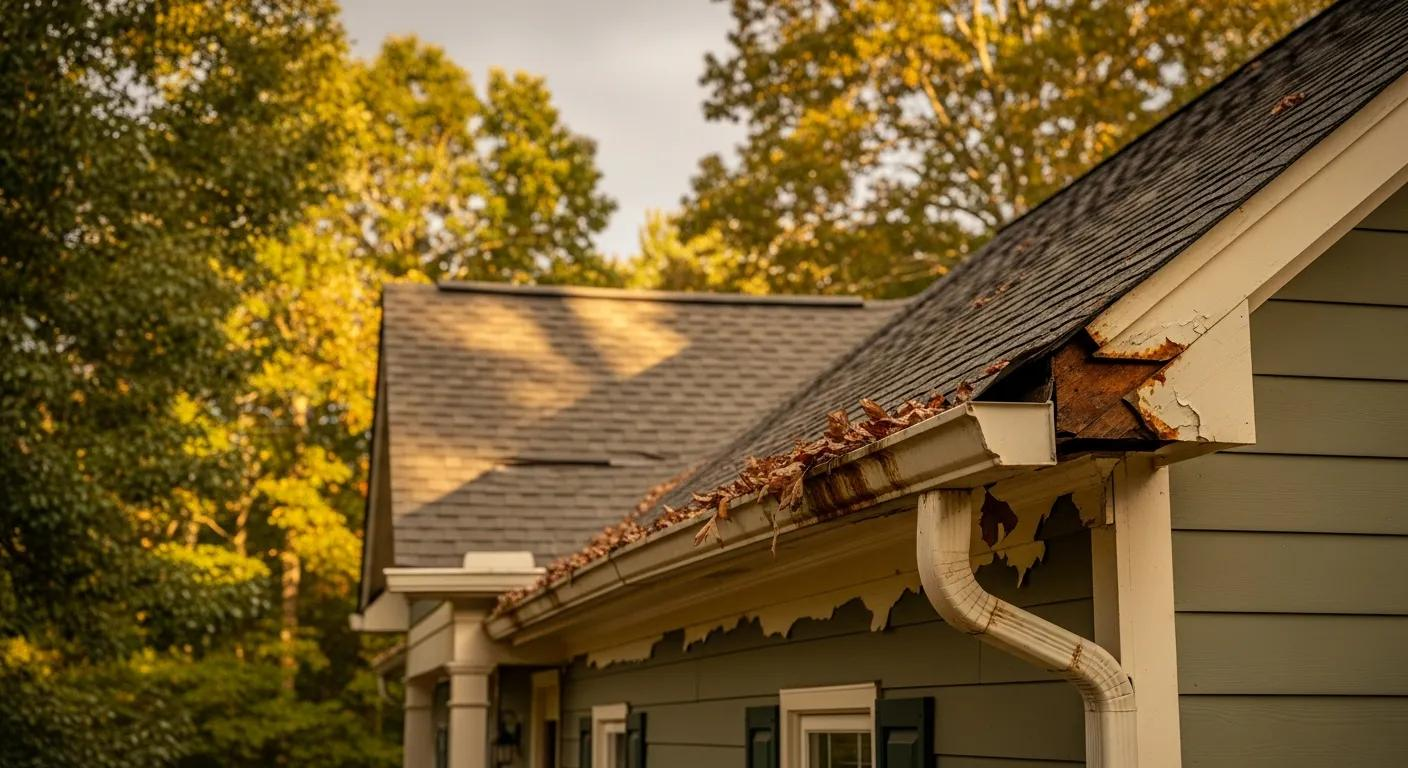
The most obvious signs of damage are frequently overlooked. Homeowners should monitor their systems for cracks and splits. These small openings expand during Georgia's temperature fluctuations and eventually lead to large-scale leaks. Peeling paint is another indicator of trouble. When paint bubbles or flakes, it suggests that water is sitting against the metal for extended periods. This points to a pitch problem or chronic clogs. Furthermore, mildew or water stains on siding directly beneath the gutters suggest the system is failing to channel water away from the home.
Recognizing Sagging and Structural Decay
Sagging occurs when the hangers have loosened or the fascia board has rotted. A sagging gutter cannot maintain the proper slope toward the downspout, which leads to standing water and accelerated corrosion. Cracks often appear at the seams or corners where the metal is under the most stress. When these issues combine with rusting, the chemical breakdown of the metal, the system is in a state of total failure.
The Science of Gutter Decay: Metallurgy and Corrosion
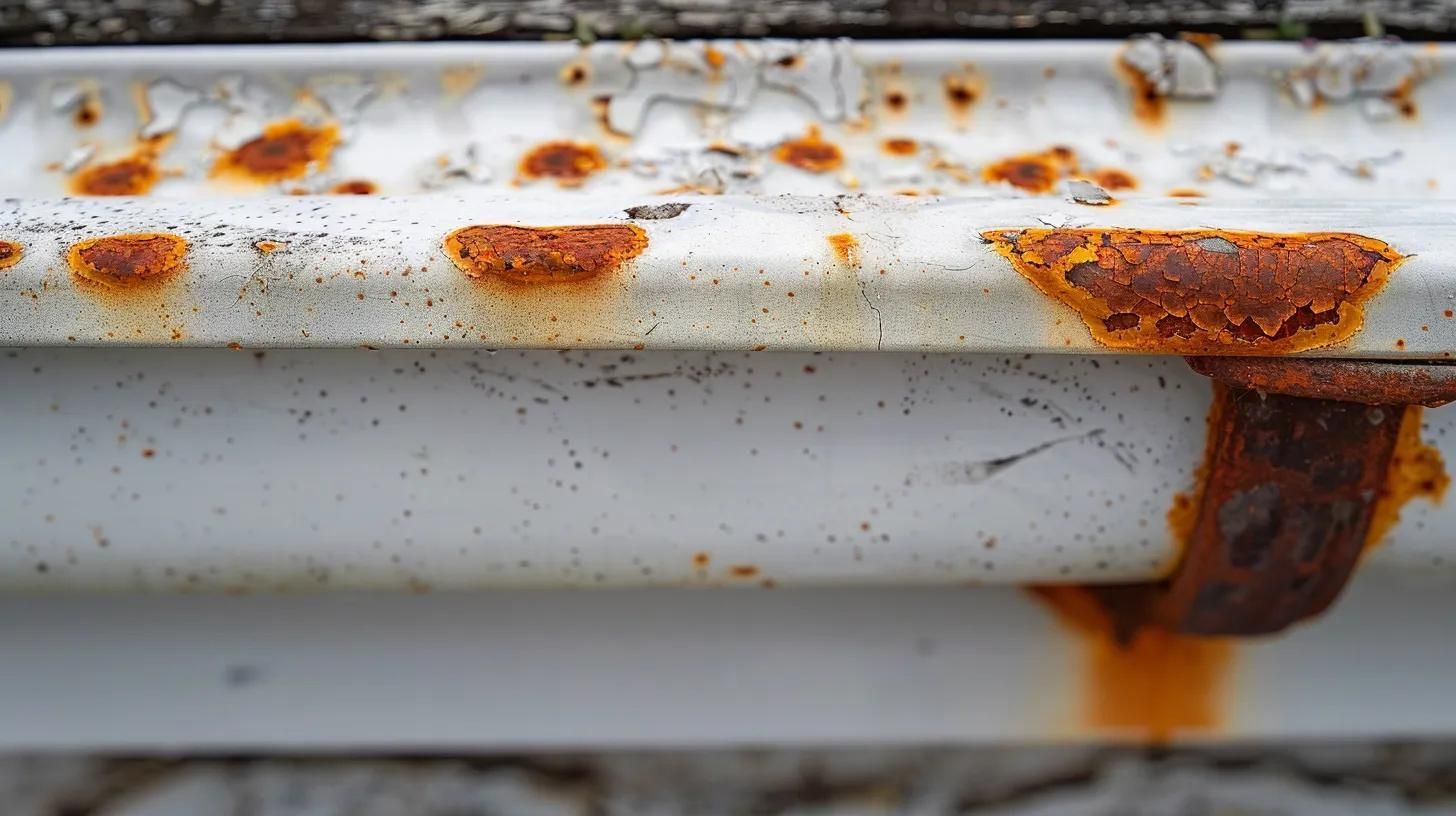
Understanding why gutters fail requires a look at the metallurgy involved. Most modern gutters are aluminum, but the hardware used to hang them, such as screws, spikes, and brackets, may be made of different metals.
Galvanic Corrosion
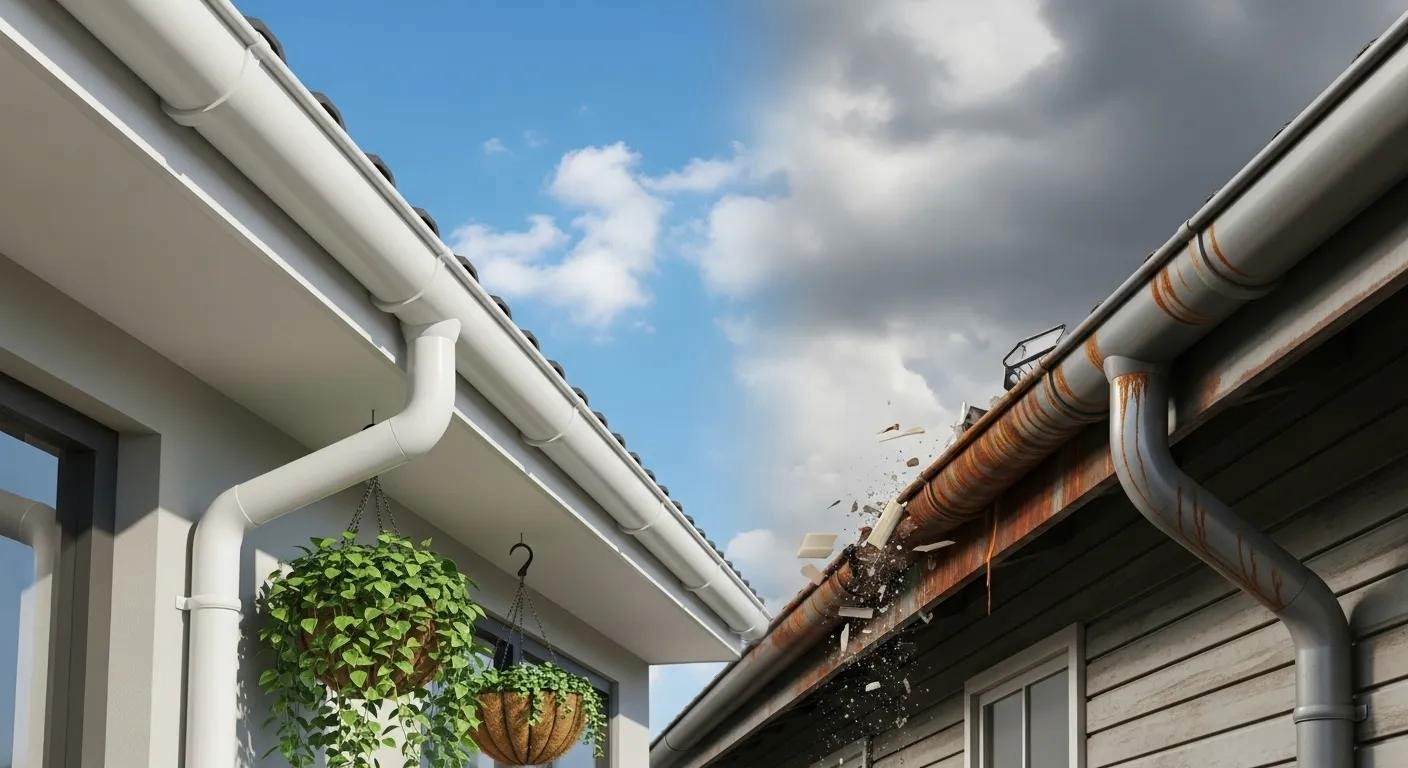
When two different metals, such as an aluminum gutter and a steel screw, touch in the presence of rainwater, a process called galvanic corrosion occurs. The aluminum sacrifices itself to the steel, which leads to rapid pitting and holes around the fastener points. This explains why rust often appears specifically around the hangers even if the rest of the gutter run looks clean.
Environmental Factors in Cumming, GA
Homeowners in Cumming face unique challenges due to heavy seasonal rainfall and intense summer humidity. Gutters in this climate rarely dry out completely. If a system is older, the constant wet-dry cycle creates a perfect environment for oxidation. The heavy tree canopy in Forsyth County also leads to frequent clogs. Pine needles and oak leaves trap moisture against the gutter walls, acting as a direct catalyst for structural decay.
Georgia Red Clay and Hydrostatic Pressure
The soil in North Georgia has a high red clay content. Clay is non-porous and holds water significantly longer than sandy soils. When gutters fail and dump water at the base of a home, the clay becomes saturated and expands.
This expansion exerts hydrostatic pressure against foundation walls. Over time, this pressure can cause walls to bow inward or the foundation to lift, a process known as heaving. When the clay dries and shrinks, it leaves gaps that allow the foundation to settle unevenly. This cycle is the primary cause of foundation cracks in Georgia, and it almost always begins with a failing gutter system.
Causes of Leaks and Overflows
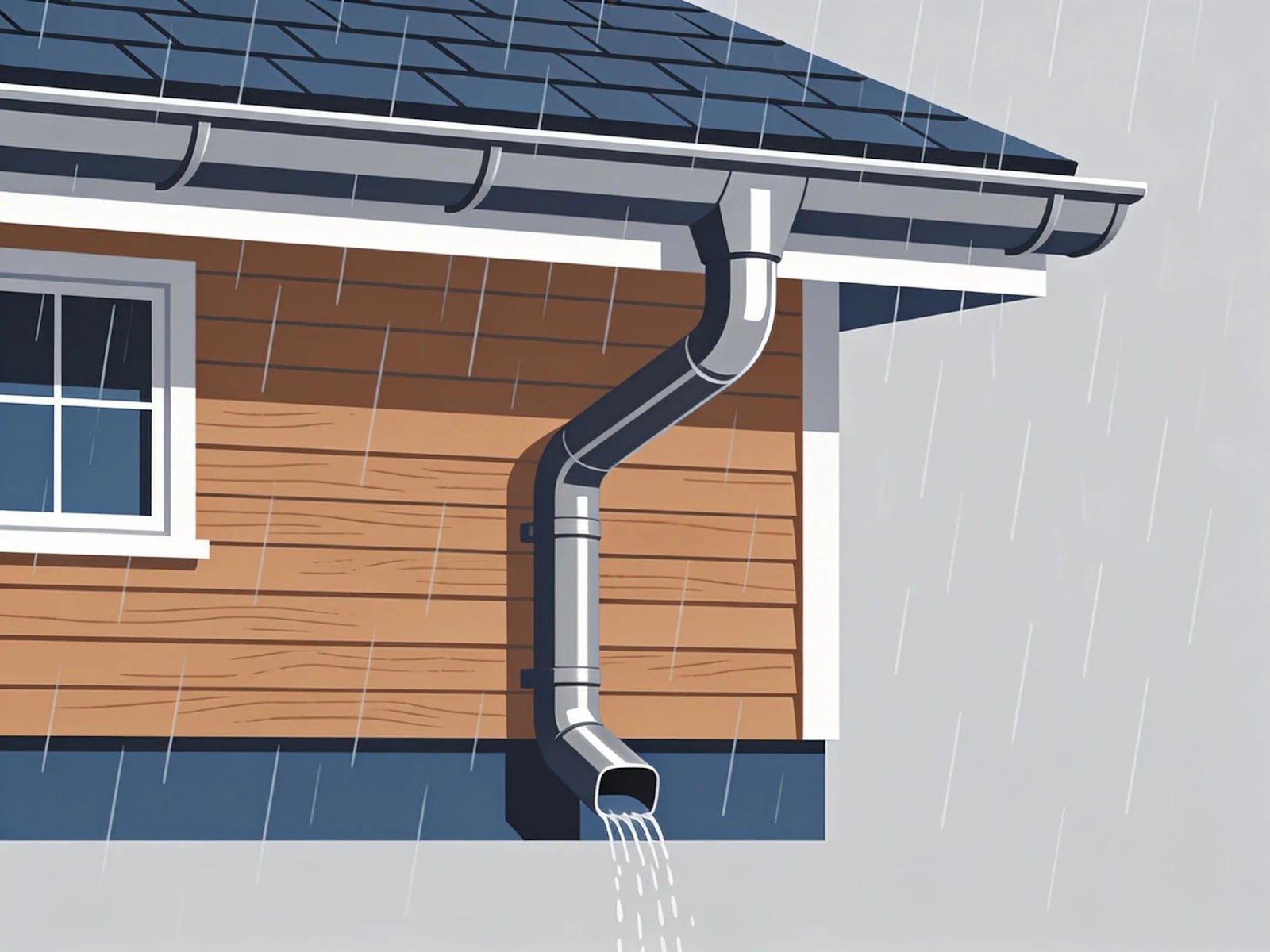
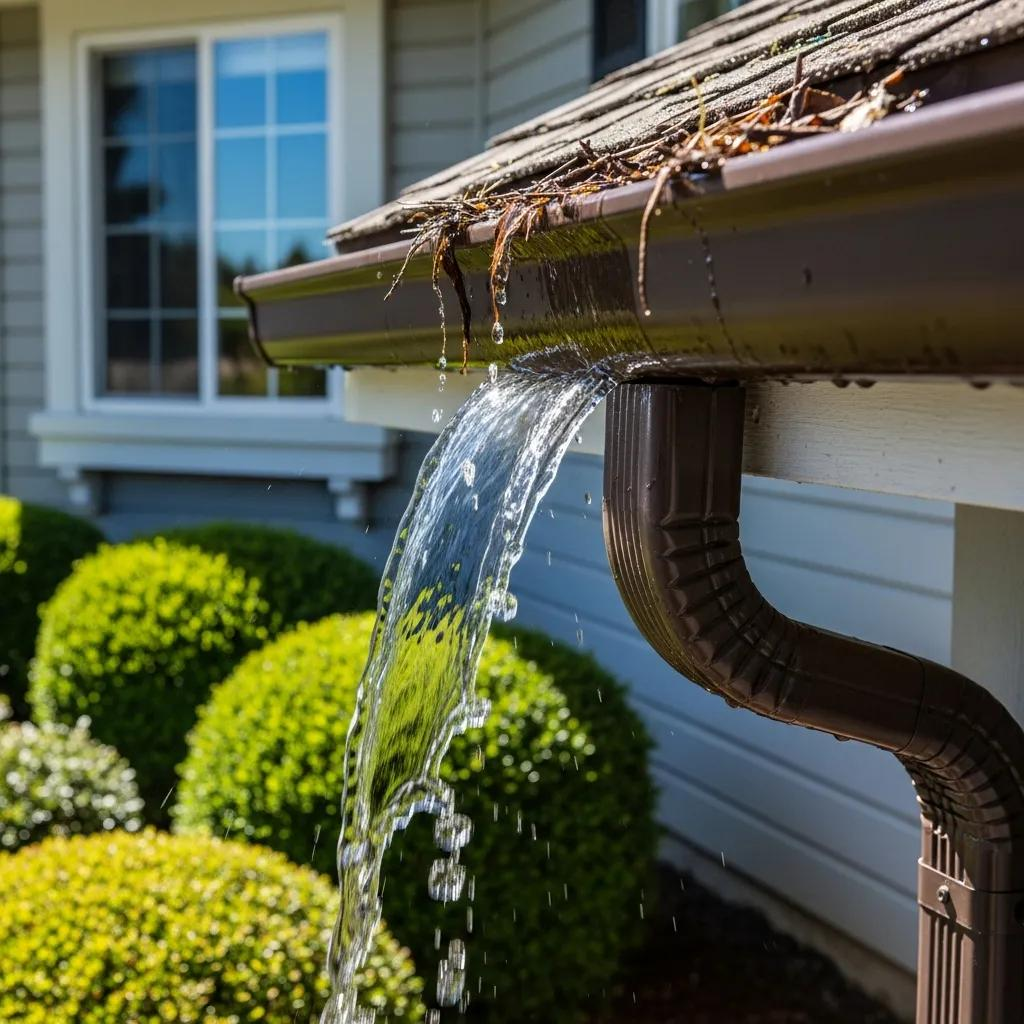
Leaking and overflowing are the two most common reasons for service calls. Clogs from leaves and shingle grit create dams that force water over the sides. Improper pitch is another factor. If gutters are not sloped correctly, water pools in the center rather than flowing to the downspouts. During heavy Georgia thunderstorms, standard 5-inch gutters may be overwhelmed by the volume of water, requiring an upgrade to 6-inch seamless gutter installation. In the winter, ice dams can form when snow melts on the roof and refreezes in the cold gutter, which can warp the metal or pull the system away from the house.
The Financials of Gutter Replacement
Investing in a new gutter system is an investment in a home's longevity. Several factors influence the final price of a gutter replacement in Cumming.
Material Influence on Pricing
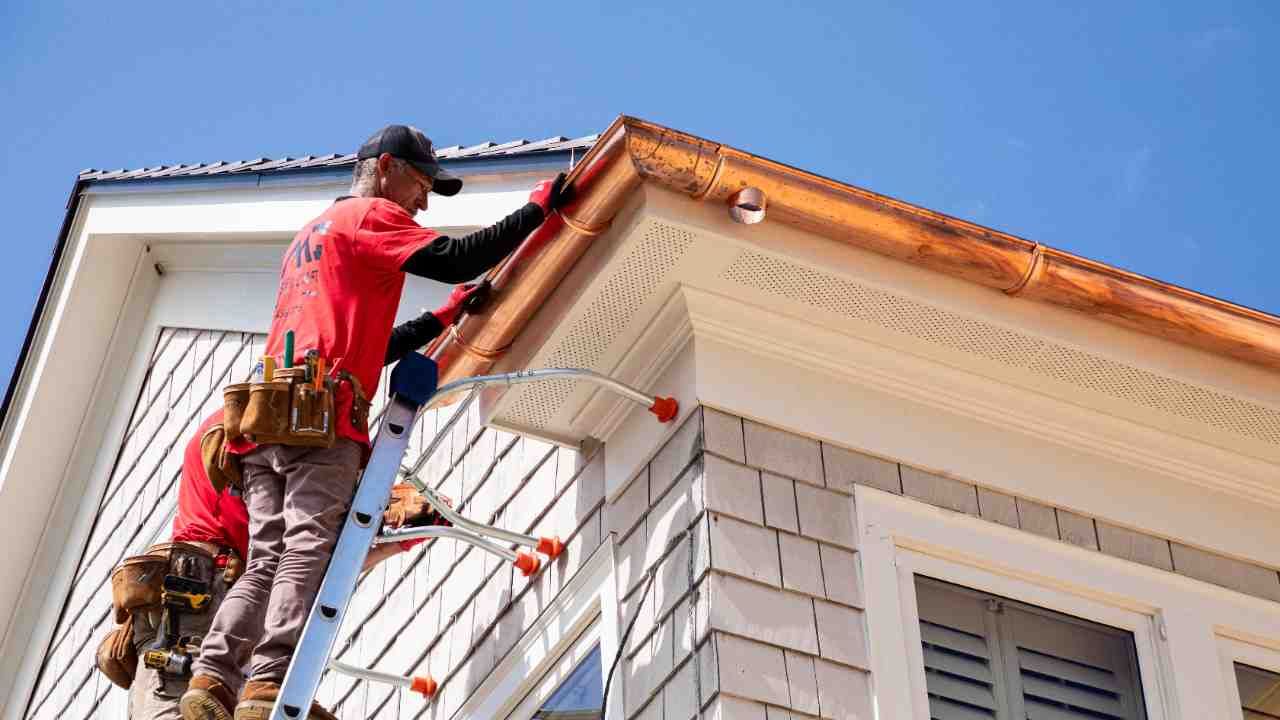
Vinyl is the most affordable option but is prone to cracking in the sun and sagging under heavy rain. Aluminum is the industry standard because it is rust-resistant, lightweight, and can be extruded into seamless runs. Steel is stronger than aluminum but is susceptible to the rust and corrosion issues previously discussed. Copper is considered a lifetime material because it never rusts and develops a protective patina, though it is the most expensive option.
Labor and Additional Expenses
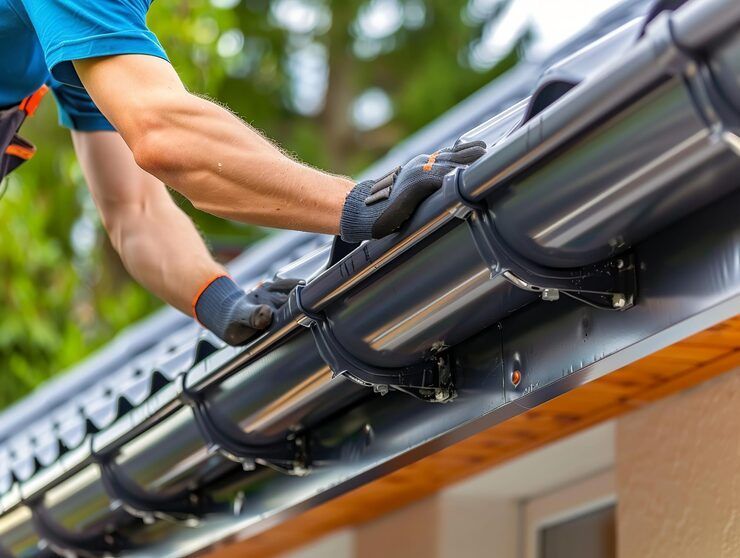
Labor costs include more than just the installation of the metal. Contractors must account for the tear-off and disposal of old, rusted gutters. If the previous system leaked, the wooden fascia boards behind them are likely rotted and must be replaced before new gutters are installed.
Multi-story homes or complex rooflines also require more equipment and time, which increases the total investment.
Prevention Through Gutter Guards
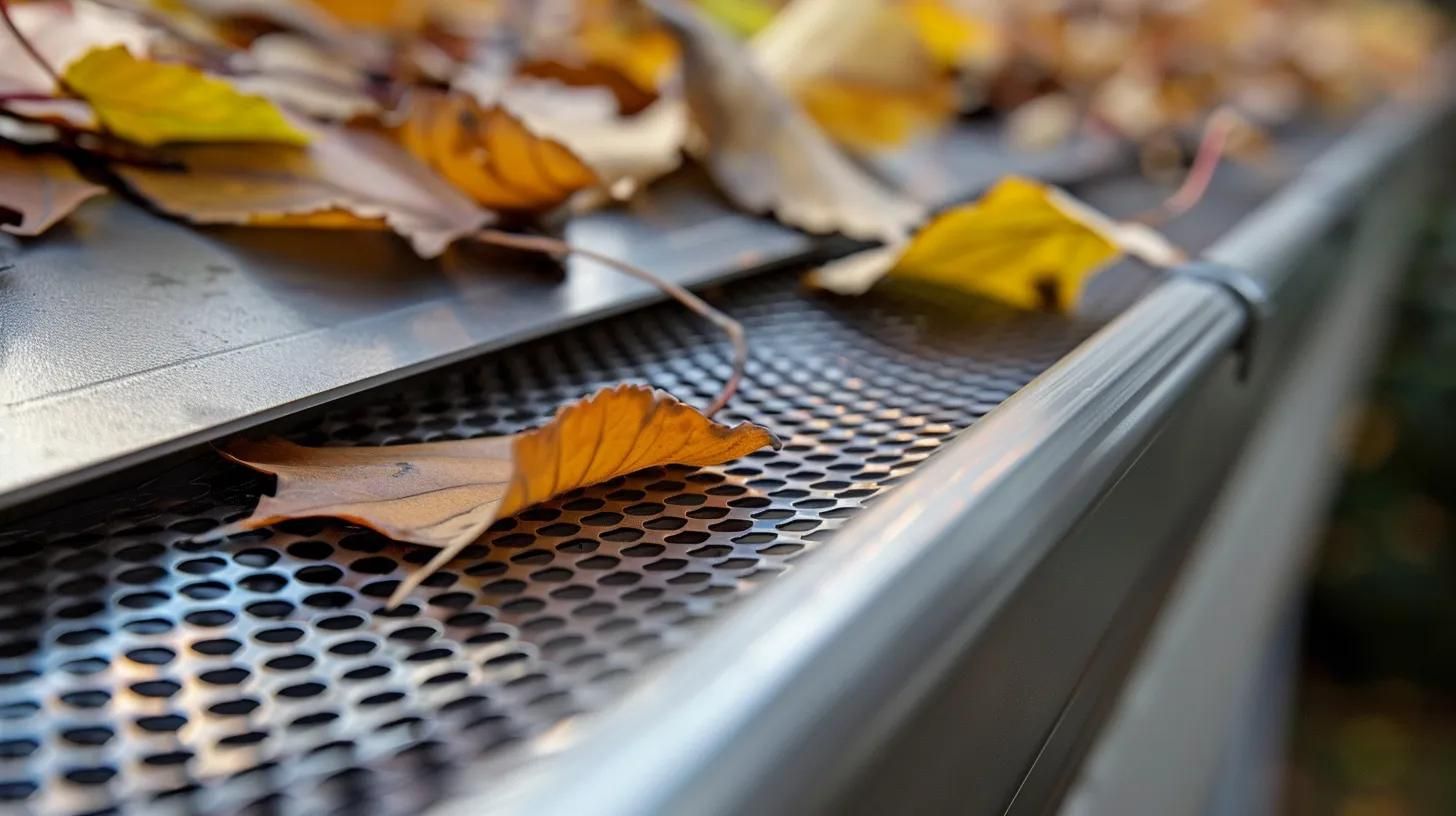
The most effective way to avoid frequent replacements is to stop damage before it starts. Micro-mesh gutter guards are the most effective option because they prevent even small debris like pine needles from entering the system while allowing maximum water flow. Screen guards work well for large leaves but can be bypassed by smaller debris. Surface tension guards use the physics of water to wrap it into the gutter while dropping debris over the edge. By keeping debris out, these guards ensure that water never pools, eliminating the environments that cause rust and doubling the average gutter lifespan.
Conclusion: Protecting the Home Investment
The average lifespan for aluminum gutters is 20 years, while copper can last over 50 years. In the humid environment of North Georgia, that lifespan is often shorter without proper maintenance. If a homeowner notices rust, sagging, or leaks, taking action early is the best way to prevent foundation damage and basement flooding.
Master Craft Gutters and Construction LLC provides professional diagnostics for homeowners in Forsyth County. Whether a system requires a minor repair or a full installation, ensuring the home is ready for the next Georgia storm is a priority. Homeowners can request a free estimate to begin their home protection plan.