Stop Patching and Start Replacing: 7 Signs Your Gutters Are Beyond Repair
Your gutters take a beating every year.
In North Georgia, that means heavy spring rains, summer storms, and fall debris from dense tree coverage. Most homeowners focus on their roof or siding and overlook the gutters until the damage is already done.
This guide covers the 7 signs that tell you repair won't cut it anymore, along with honest cost ranges and what to look for in a contractor. If you're a homeowner considering gutter replacement in Cumming, this is the right place to start.
TL;DR — Stop Patching and Start Replacing: 7 Signs Your Gutters Are Beyond Repair
- Gutters can often be repaired if the damage is limited to one section, a single joint, or a small hole.
- Replace when you see widespread rust, sagging along multiple runs, separating seams, or foundation damage.
- Always hire a licensed contractor and ask to see their Georgia license before signing anything.
Not sure which category your gutters fall into?
Schedule a free inspection today!When Repair Is the Right Call
Replacement isn't always the answer.
If your gutters are under 15 years old and the damage is confined to one spot, repair is often faster and less expensive. A single clogged downspout, a small hole from a falling branch, or a loose spike can all be fixed in an afternoon without touching the rest of the system.
The key question is whether the problem is isolated. One loose section or one leaking joint is a repair. The same issue repeated across three or four runs is a sign that the system is failing, and patching each spot individually ends up costing more than replacement over time.
When in doubt, get an inspection before committing to either option. A qualified contractor will tell you honestly which route makes more financial sense for your specific situation.
Why North Georgia Properties Need Special Attention
North Georgia gets significantly more rainfall than the national average of approximately 30 inches per year. Cumming and Forsyth County regularly see 55 to 60 inches annually, with the heaviest rainfall concentrated in spring and early summer. That volume puts constant stress on gutters, downspouts, and the soil around your foundation.
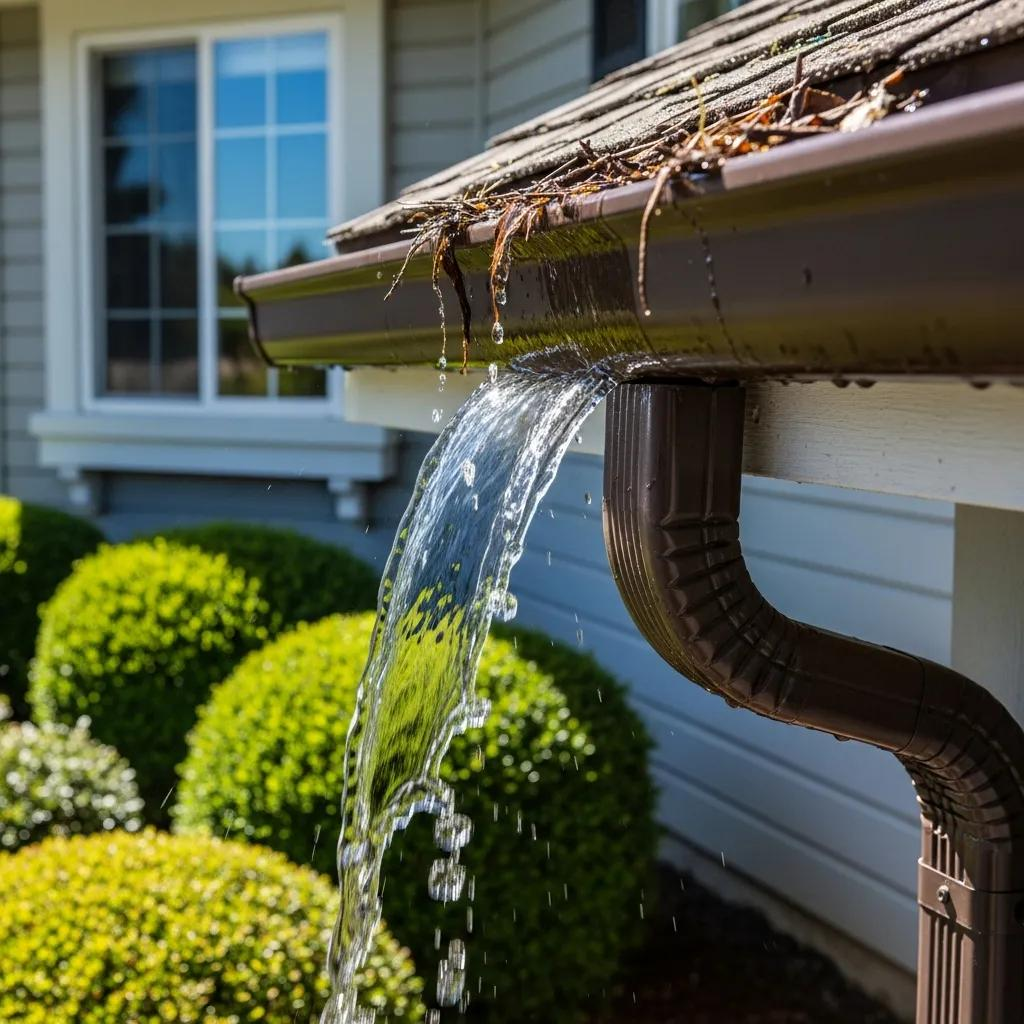
Add in the dense tree canopy common in neighborhoods across Cherokee and Forsyth counties, and debris load becomes a real factor. Leaves, pine needles, and seed pods accumulate quickly and can block downspouts within a season. When gutters stay full of standing water, they rust, sag, and pull away from the fascia faster than they would in drier climates.
Knowing this context helps you evaluate your gutters more accurately. What looks like minor surface rust in a lower-rainfall region might be an early sign of a bigger problem here.
How to Inspect Your Gutters Before Calling Anyone
You don't need a ladder to do a basic inspection. Start from the ground with a pair of binoculars on a dry day, then follow up with a close-up check if you can safely access a ladder.
From the ground, look for:
- Sagging sections or gutters pulling away from the roofline
- Rust stains or orange streaks running down the exterior
- Peeling paint or water stains on the siding below the gutters
- Pooling water or erosion in the soil near the foundation
Up close, check for:
- Cracks, holes, or separated seams
- Rust on the inside of the gutter channel
- Loose or missing spikes and hangers
- Debris buildup that hasn't drained after 48 hours of dry weather
Document what you find with photos. This gives any contractor you call a baseline to work from and helps you compare quotes accurately.
Repair vs. Replace: A Quick Reference
| Situation | Recommendation |
|---|---|
| One loose section or spike | Repair |
| Single leaking joint | Repair |
| Small hole (under 1/2 inch) | Repair |
| Multiple leaking joints | Replace |
| Rust across multiple sections | Replace |
| Sagging along a full run | Replace |
| Gutters pulling from fascia repeatedly | Replace |
| Foundation damage or basement flooding | Replace immediately |
| Gutters over 20 years old with recurring issues | Replace |
7 Signs Your Gutters Are Beyond Repair
1. Widespread Rust or Corrosion
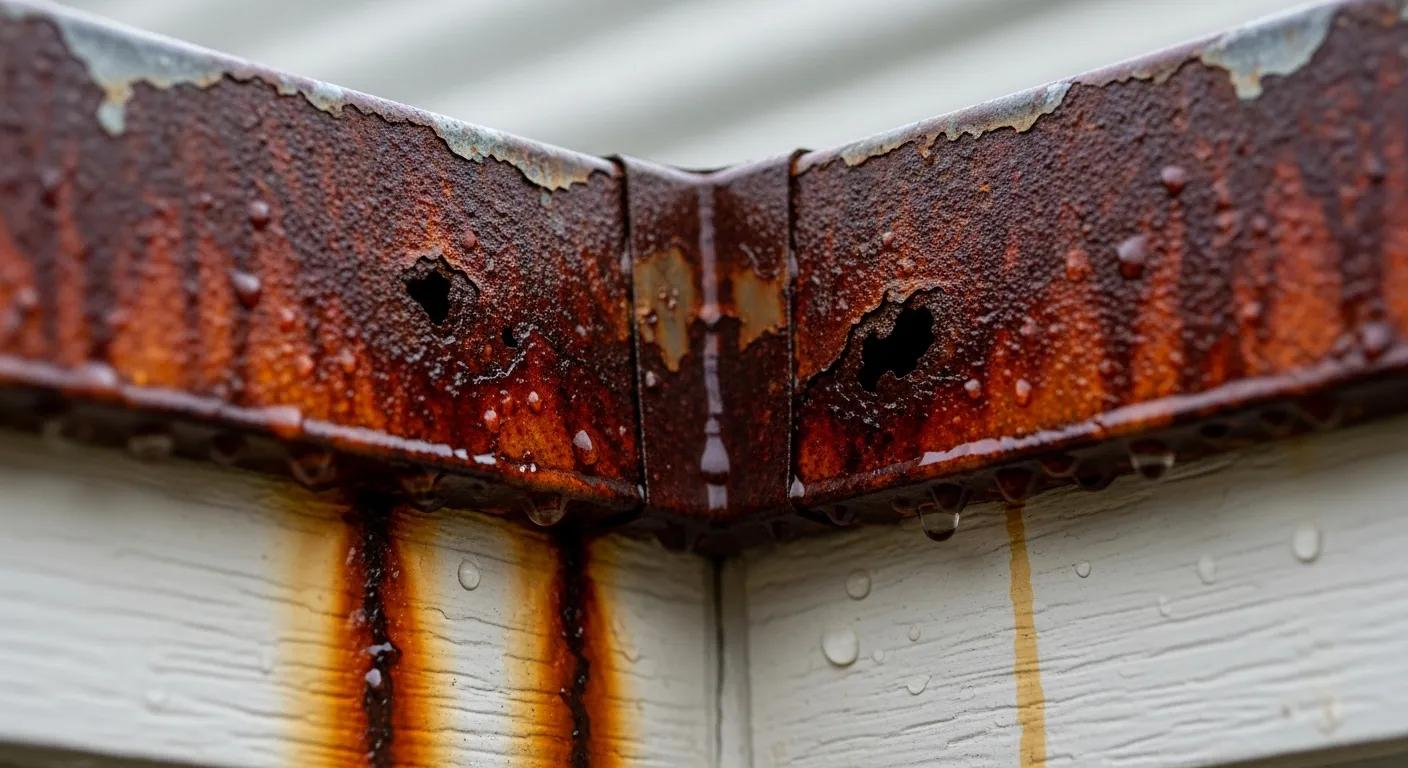
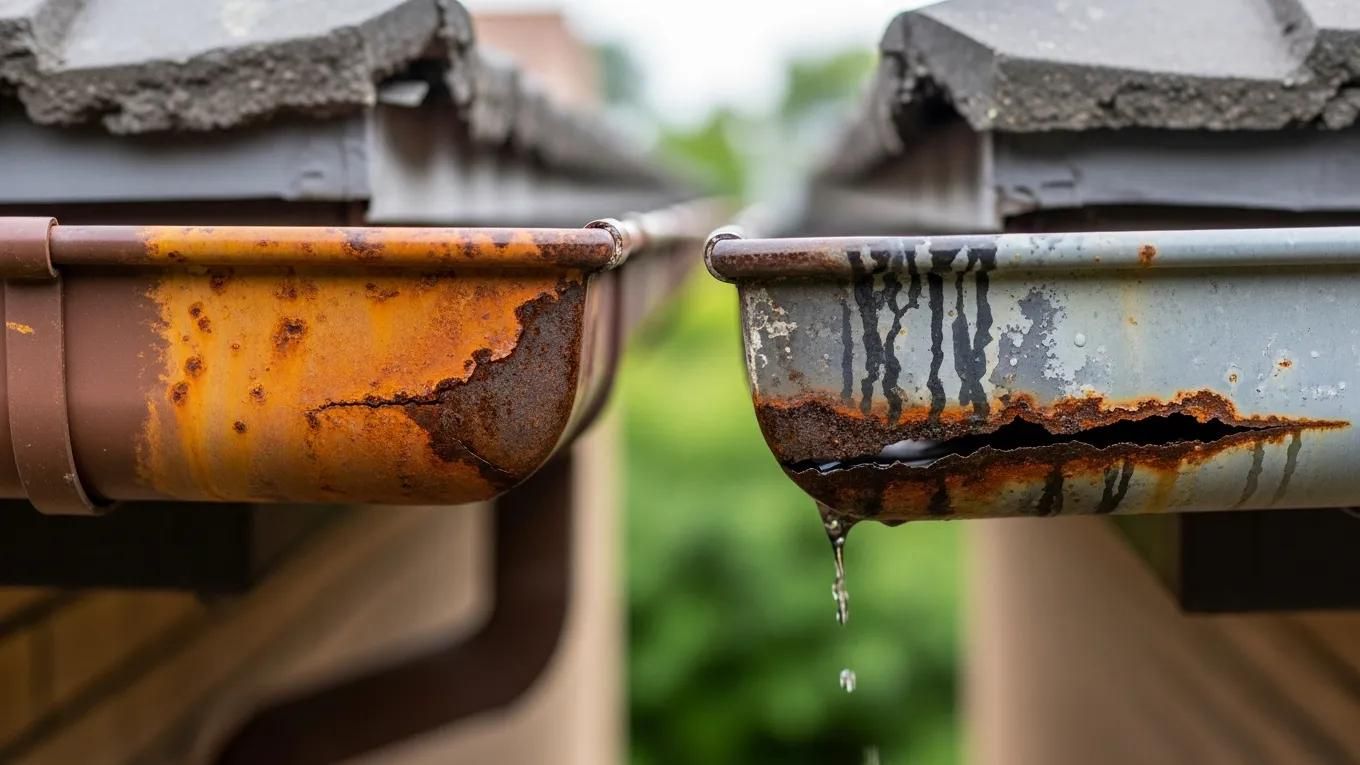
Surface rust on one small area can be sanded and sealed. Rust that spans several feet, appears on the inside of the channel, or has created soft spots means the metal has degraded past the point where patching holds. Even if you seal it this season, the rust continues spreading underneath, and the patch fails within a year or two.
Steel gutters have a finite lifespan, and rust is the clearest indicator that that lifespan is ending. Aluminum gutters don't rust the same way, but they corrode and oxidize over time, which causes similar structural weakness. When you see rust or corrosion covering more than a foot of gutter in multiple locations, replacement is the better investment.
2. Sagging or Pulling Away from the Fascia
Gutters sag when the hangers fail, the fascia board rots, or the gutter itself bends under years of debris weight and water load. A single sagging section can sometimes be reattached. When the sag runs along an entire side of the house, the underlying structure has likely deteriorated and won't hold new hardware reliably.
Gutters that pull away from the fascia repeatedly after reattachment are giving you a clear signal. The wood behind them is often soft or rotten, and no amount of new spikes will create a lasting fix. At that point, you're looking at gutter replacement and likely some fascia repair as well.
3. Cracks, Holes, or Separated Seams
Small cracks and holes can be sealed with gutter repair caulk or a patch kit. When the damage covers more than a short section, the material has simply aged past its useful life. Sectional gutters are especially prone to this because each seam is a potential failure point. Sections are typically installed in 10-foot lengths, so a 40-foot run has four seams that can crack, separate, or pull apart.
Seamless gutters have far fewer joints, which is one reason they tend to outlast sectional systems. If your existing gutters have multiple failing seams, switching to seamless aluminum at replacement is worth considering.
Seamless vs. sectional gutters breaks down the differences in detail.
4. Water Damage on Siding or Interior Walls
Water stains on your siding directly below the gutters mean water is overflowing or leaking where it shouldn't be. That water soaks into wood, travels behind siding, and eventually reaches interior walls. By the time you see interior water stains near windows or at the base of walls, the damage has been building for a while.
This kind of damage doesn't stay surface-level. Prolonged water intrusion leads to mold, rot, and structural issues that are expensive to remediate. If your gutters are the source, getting them replaced quickly limits how far the damage spreads.
5. Foundation Problems or Basement Flooding
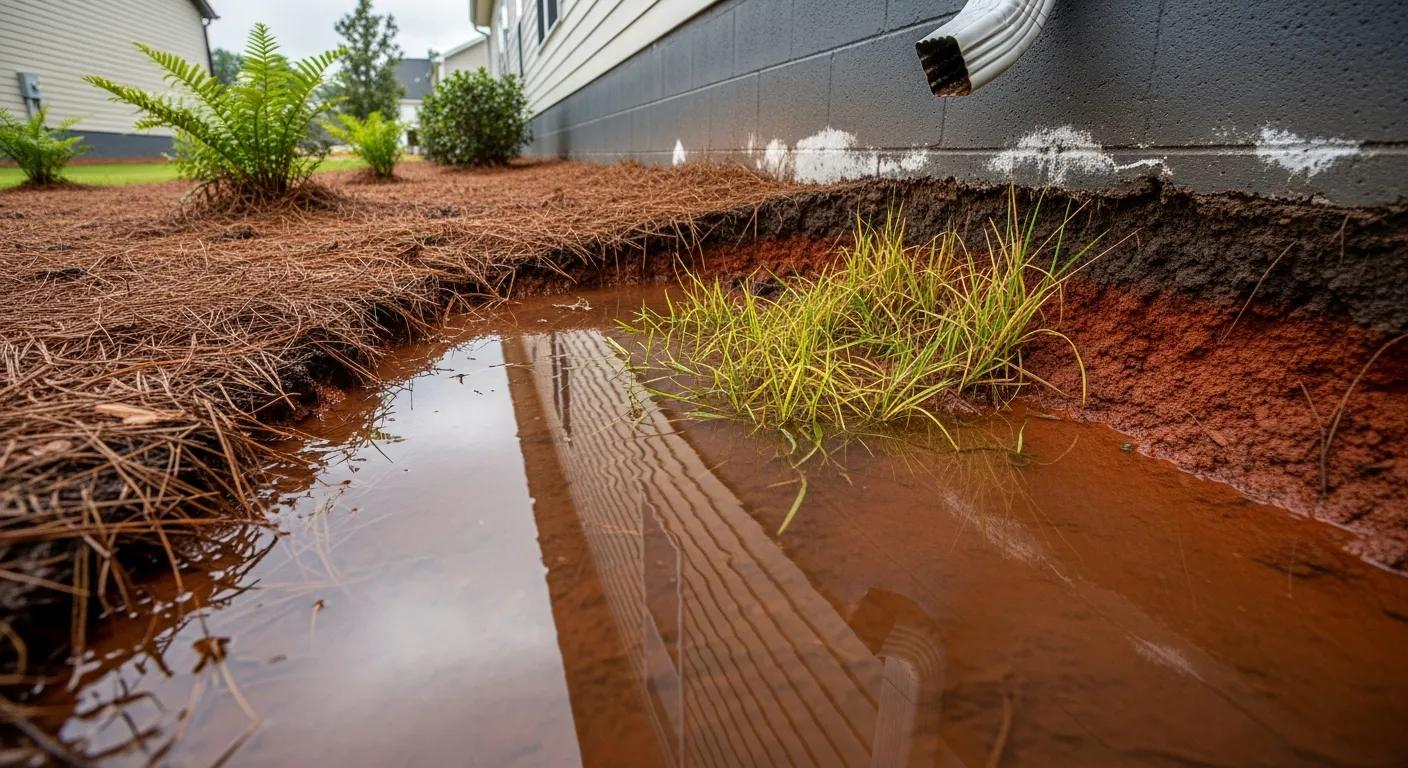
Gutters exist to move water away from your foundation. When they fail, water pools against the house and saturates the soil around the base. Over time, that water pressure causes foundation cracks, basement seepage, and in severe cases, structural settling.
If you've noticed cracks in your foundation, wet spots in a basement or crawlspace, or soil erosion directly below the gutters, the gutter system needs to be evaluated immediately. Foundation repairs in the Forsyth County area can run into tens of thousands of dollars. A
gutter replacement at a fraction of that cost is worth it when it prevents that outcome.
6. Mold, Mildew, or Algae Growth
Gutters that stay damp because they're clogged, pitched incorrectly, or no longer draining properly become a breeding ground for mold and algae. You'll often see it as dark streaking on the outside of the gutter or green growth along the bottom channel. Some homeowners mistake this for normal weathering.
Standing water inside a gutter also creates a mosquito habitat, which is a secondary problem but a real one in humid Georgia summers. If cleaning the gutters doesn't resolve the moisture issue, the system may be pitched wrong or structurally compromised. A contractor can assess whether reconfiguration fixes it or whether replacement is more practical.
7. Gutters Are 20-Plus Years Old with Recurring Problems
Most aluminum gutters last 20 years under normal conditions. Steel can last longer but is more prone to rust. If your gutters are approaching or past that range and you're calling for repairs every year or two, the cumulative cost of patches is adding up against the cost of a full replacement.
Age alone isn't always a reason to replace. Age combined with recurring leaks, persistent sagging, or ongoing joint failures is a reason to have a serious conversation about it. A good contractor will give you a realistic estimate of remaining useful life so you can make a cost-informed decision.
What to Ask Before Hiring a Contractor
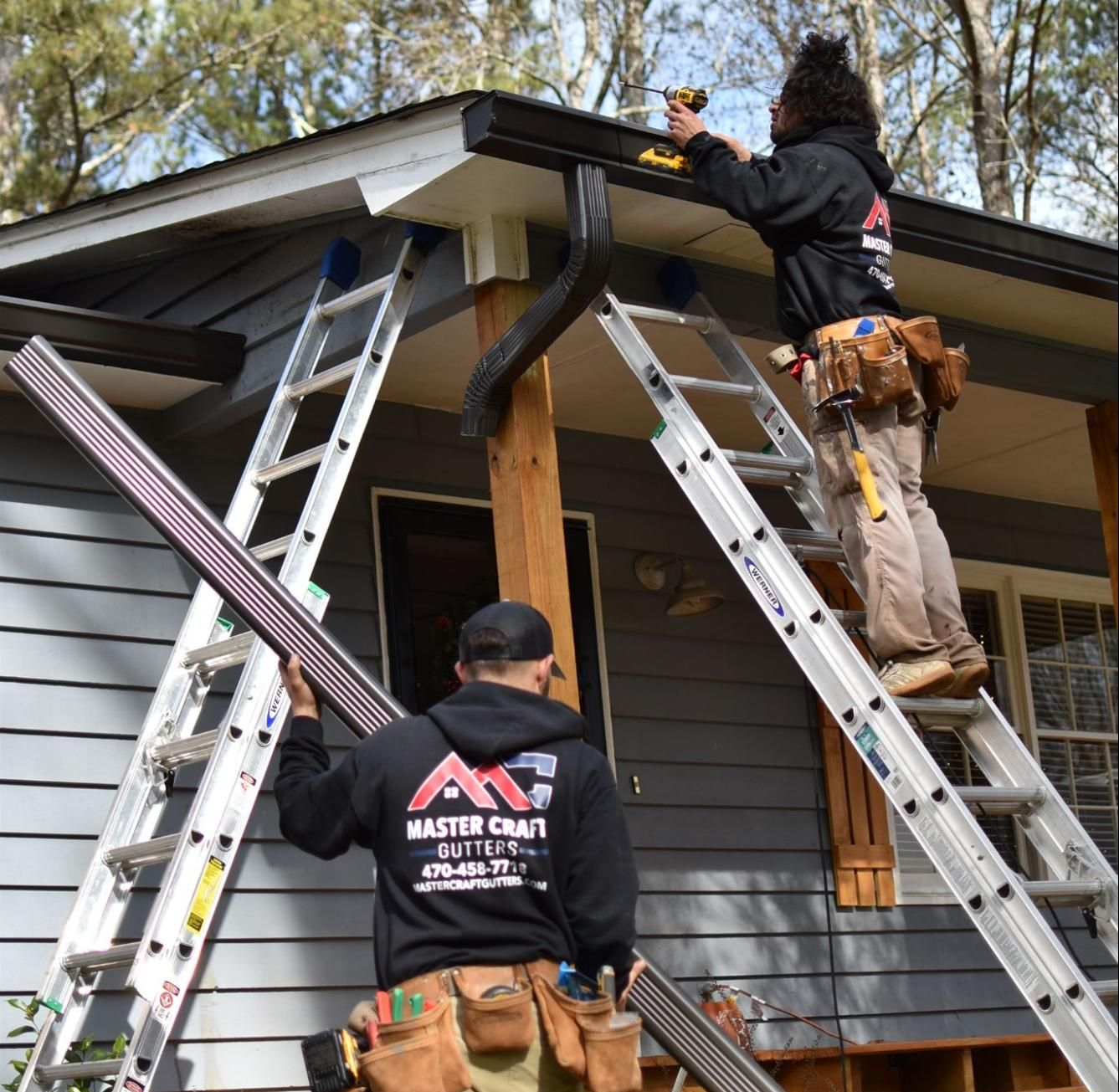
Any contractor you hire for gutter work in Georgia should hold a valid state license. Georgia licenses contractors through the Secretary of State's Professional Licensing Division under O.C.G.A. § 43-41.
Ask these questions before signing:
- Are you licensed and insured in Georgia?
- Do you carry workers' compensation and general liability coverage?
- What material do you recommend for my specific roofline, and why?
- Do you install seamless gutters on-site, or are sections pre-cut?
- What does your warranty cover, and for how long?
- Can you provide references from jobs in this area?
A contractor who answers these questions directly and without hesitation is worth considering. One who deflects or pressures you to sign before answering them is not, whether you call Master Craft Gutters & Construction or anyone else.
FAQ
How long do gutters typically last?
Aluminum gutters last 20 years on average. Steel can last longer but rusts faster. Copper gutters can last 50 years or more with proper maintenance. North Georgia's rainfall and tree debris can shorten those lifespans if gutters aren't cleaned at least twice a year.
Can I replace gutters myself?
Sectional gutters are sold at home improvement stores, and some homeowners install them on single-story homes. Seamless gutters require fabrication equipment that contractors bring on-site, so those always need professional installation. For two-story homes or complex rooflines, professional installation is safer and typically produces better results.
How do I know if my fascia needs to be replaced too?
Look for soft spots, discoloration, or visible rot along the board where the gutter attaches. If a spike or hanger doesn't hold when you press it back in, the wood underneath has likely softened from water exposure. Your contractor should inspect the fascia as part of any gutter replacement quote.
How often should gutters be cleaned?
Twice a year is the standard recommendation for most homes. In Cumming and Forsyth County, where tree coverage is dense, some properties benefit from three cleanings per year: spring, mid-summer, and after the fall leaf drop.
Conclusion
Seven signs, one common thread: water that isn't draining correctly causes expensive damage over time. Whether it shows up as rust, sagging, foundation cracks, or interior water stains, the underlying issue is the same.
If repair is the right call for your situation, make it and move on. If the signs point toward replacement, knowing that early gives you time to get multiple quotes and choose a contractor carefully, rather than making a rushed decision after a heavy storm.
Master Craft Gutters & Construction serves Cumming, GA and the surrounding Forsyth County area. You can also find us on Google Maps.
To speak with the team directly, call 470-458-7718 or email
sales@mastercraftgutters.com.